Our Practice Areas
Land Use/Zoning
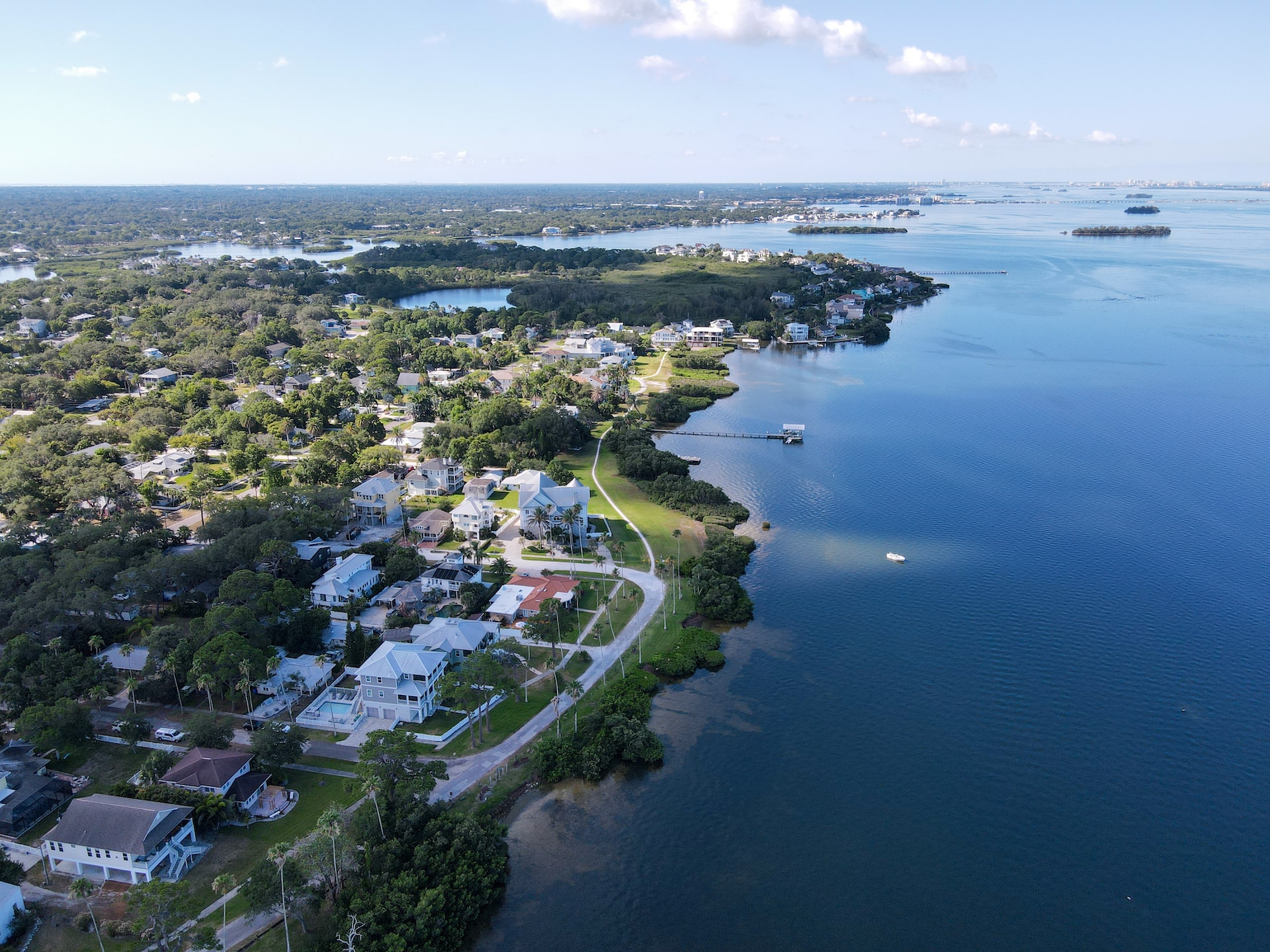
In Florida, state and local laws on land use and zoning consistently change, which can affect both housing and commercial development.
At Ser & Associates, we follow the changing law to ensure that we advise and help clients with land use & zoning compliance. Land use & zoning regulations are widely used by county and municipal governments to control how property is developed and used within their borders.
In general, the main purpose and function of land use designations is to divide cities and towns into separate parcels of land that each provide a similar designated use. Zoning districts provide for the regulations of uses within the land use designations, and there are three distinct types: residential, commercial, and industrial.
What Are Zoning Districts?
In general, the main purpose and function of land use designations is to divide cities and towns into separate parcels of land that each provide a similar designated use.
Zoning districts provide for the regulations of uses within the land use designations, and there are three distinct types: residential, commercial, and industrial.
Although these are the three primary types of zoning, there are several other kinds as well (like agricultural and rural), which all have their own specifications and requirements.
There can also be special districts, or overlays on the zoning district, that may impose additional use and/or design restrictions––such as historic regulations affecting structures built prior to a certain date.
Residential Zoning
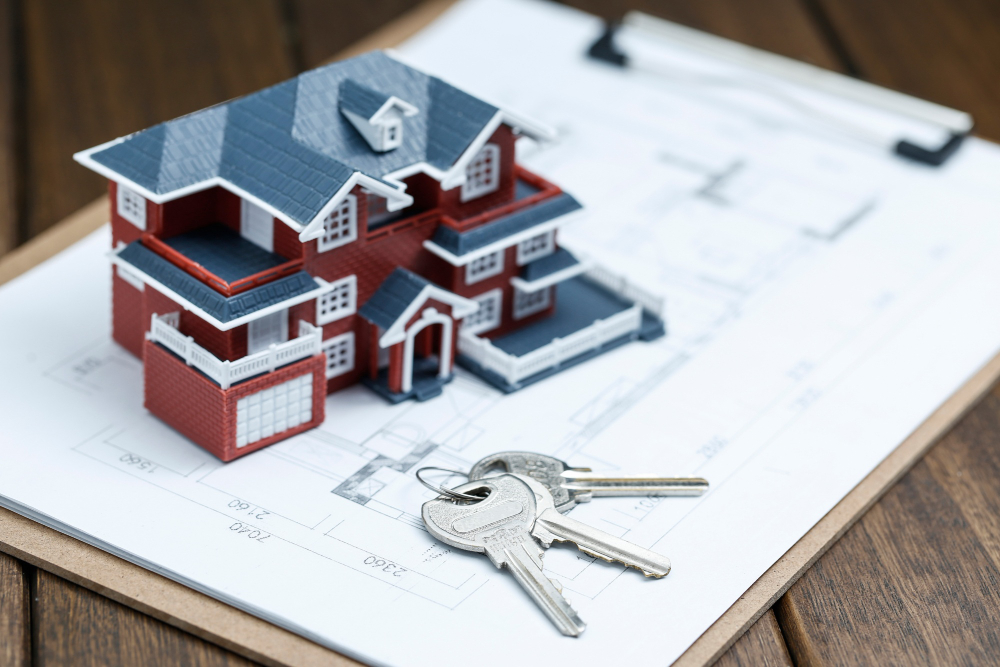
Residential zoning includes single-family residences, apartments, duplexes, trailer parks, and any other similar type of residency.
Residential zoning, however, does not allow for businesses that are not home-based. The type of business allowed might even depend on any number of factors, including the hours of operation, parking, delivery, and noise concerns.
Nevertheless, it is possible for zoning ordinances to prohibit all kinds of in-home business in residential areas altogether. Others might just restrict the type of business and its hours, as well as requiring separate parking and entrance areas.
Commercial Zoning
Almost any kind of real estate can be zoned as commercial. Examples include office buildings, shopping centers, clubs, hotels, warehouses, and even vacant land.
Usually has several categories, and it depends on the actual business’s use of the property and the number of prospective patrons who seek to use the property.

Industrial Zoning
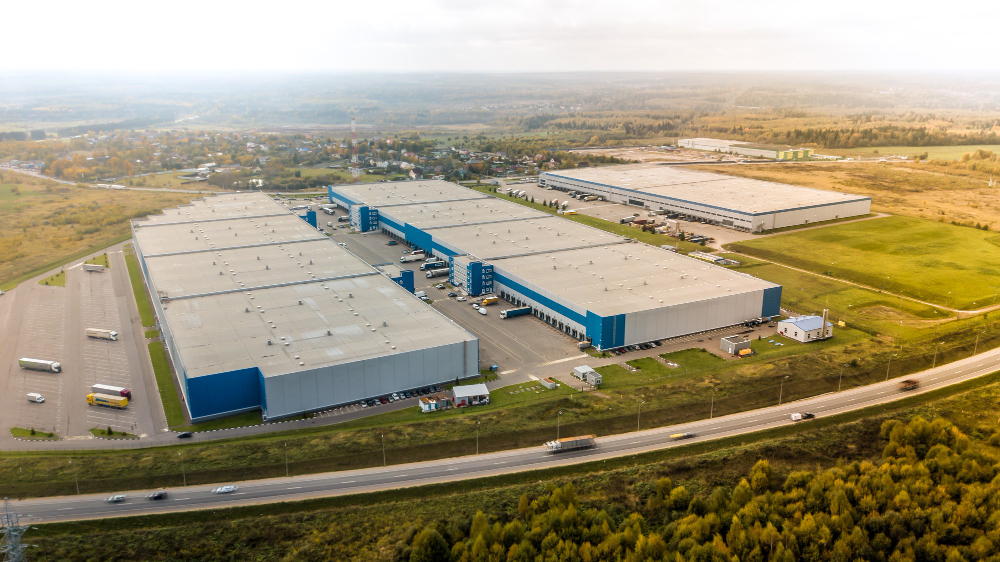
Industrial zoning is similar to commercial zoning because what is permitted depends on the type of business.
Environmental factors––such as noise and pollution––are used in making these determinations. Common examples of businesses zoned in industrial areas are manufacturing plants and storage facilities.
This type of zoning can also depend upon the amount of “lot coverage” ––or the land area covered by all buildings on a lot––and building height.
At Ser & Associates, we strive to help clients by reviewing the applicable land use & zoning designations before signing a new lease or purchasing a building or office condo
We also assist in obtaining any, and all, the necessary special approvals from the county/municipality.
These special approvals may be related to parking waivers, waivers for setback due to an irregular lot, or it may be a request for a variance on a height restriction.
At Ser & Associates, we will represent you in dealing with the various departments and boards within the county, city, or town by meeting with officials, preparing applications, and presenting at hearings.